Stainless Steel Cutting Board Care and Maintenance
The best thing about a steel board is how little it asks of you. No oiling, no drying flat, no worrying about it cracking in a dry kitchen. But three things surprise new owners: water spots, the scratch haze, and the gap between "dishwasher safe" on the box and what's actually smart. Here's how to handle all three, plus the one habit that keeps a steel board genuinely sanitary. If your main question is the knife trade-off instead, that lives on are steel boards bad for knives.
Everyday Cleaning: Ten Seconds, Really
Nothing soaks into steel, so cleaning is fast. Hot water, a drop of dish soap, a normal sponge, done. Because the surface is non-porous, food residue lifts off instead of clinging the way it does in a scored plastic board. After raw meat, poultry, or fish, add a sanitizing step: a wipe with a diluted bleach solution or a food-safe sanitizer, then rinse. You don't need to scrub hard. You're wiping a surface, not digging bacteria out of grooves, because there are no grooves to dig.
Skip the steel wool and abrasive scouring pads. They leave their own scratch pattern and can, over time, take the shine off faster than knife marks do. A regular sponge or a soft brush is all a steel board ever needs.
Water Spots: The Only Real Nuisance
Those cloudy white marks that appear after a board air-dries are the most common complaint, and they're not rust or damage. They're mineral deposits left behind when hard water evaporates on the surface. Purely cosmetic, purely preventable.
- Dry it instead of leaving it. A quick wipe with a towel after washing stops spots before they form. This is the whole fix for most people.
- Already spotted? Wipe with a cloth dampened in white vinegar, or a paste of baking soda and water, then rinse and dry. The mild acid dissolves the mineral film. A dedicated stainless cleaner works too.
- Hard-water kitchen? Expect spots faster and just make the towel-dry automatic. It becomes muscle memory in a week.
Scratches: Make Peace With the Haze
Your steel board will develop a web of fine scratches. Every steel board does, and here's the part that matters: it changes nothing about safety. This is the entire reason steel beats plastic. A scratched plastic board is a problem because the gouges trap bacteria and shed particles into your food. A scratched steel board is still completely non-porous, so those marks hold nothing. A hazed, well-used steel board is exactly as sanitary as the day it arrived. It just looks used.
If you genuinely want the showroom look back, you can. A non-abrasive stainless polish, or a paste of baking soda rubbed in the direction of the grain, will knock the haze down. Most owners stop bothering once they realize the marks are honest wear on a board that will outlive their kitchen. A textured or honeycomb finish, like the one on the INZOO, hides scratches better than mirror steel from the start.
The Dishwasher Reality
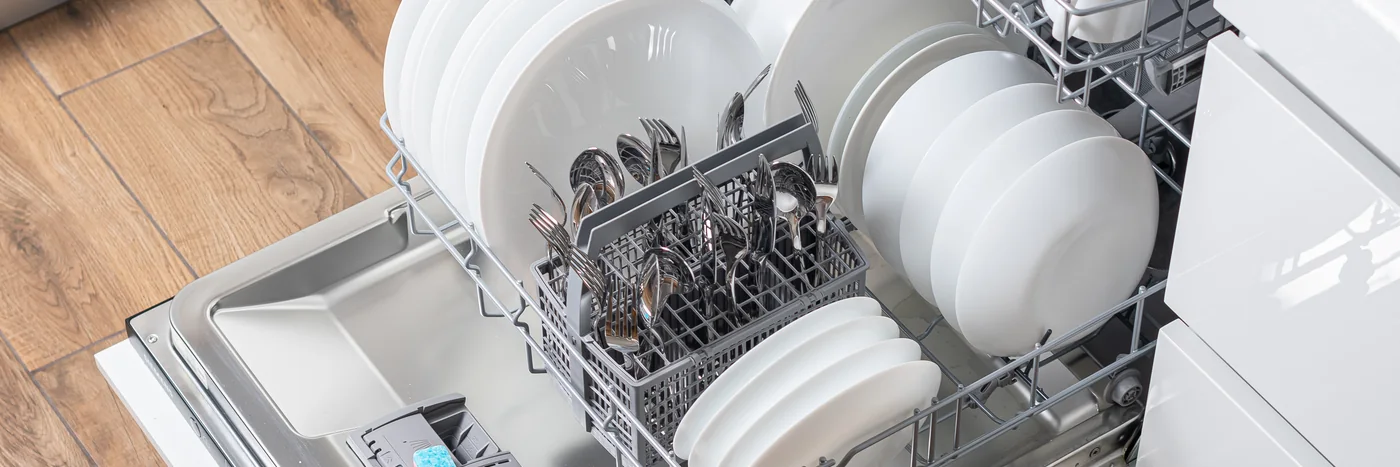
Here's where the box and the smart move don't always line up. Solid 304 and 316 stainless can physically survive a dishwasher without harm; the metal doesn't care. But two caveats decide whether you should:
- Check what the board actually is. Many "stainless" boards are hybrids with a wheat-straw or polypropylene flip side. That plastic side is frequently hand-wash only, because dishwasher heat can warp it even when the steel side is fine. If your board has a soft face, follow the label for the whole board.
- Solid all-steel boards are the dishwasher-friendly ones. A board that's steel on both faces, like the INZOO or the dishwasher-rated MUGAA, is the kind you can machine-wash without a second thought. Even then, hand washing takes ten seconds since nothing sticks, and it dodges the water spots a dishwasher's drying cycle can leave.
The honest summary: if the manufacturer says dishwasher safe and the board is all steel, go ahead. If it has a plastic side, hand wash it. When in doubt, hand wash. It's genuinely faster than you think.
Rust: Almost Never, and Here's Why If It Happens
Quality 304 and 316 steel resists rust by design; the chromium forms a passive layer that protects the surface. If you ever see an orange speck, it's almost always surface contamination, not the board itself rusting, often from a cheap steel scrubber leaving iron particles behind, or a lower-grade board. Wipe it with a vinegar or baking-soda paste and it lifts off. This is another argument for buying a genuine 304 or 316 board from the start rather than mystery metal. We cover grade in the buying guide.
Noise and Slipping: Fix Them Once
Two setup annoyances, both solved in one move. Metal-on-metal chopping is louder than wood, and a bare steel board can slide on a hard counter, which is unsafe with a knife in hand. Set the board on a damp dish towel or a thin silicone mat and you kill most of the noise and all of the sliding at once. Boards that ship with a silicone border or anti-slip edge handle this for you.
Bottom line: A steel board is the lowest-maintenance board you can own, with three small asterisks. Towel-dry it to skip water spots, ignore the scratch haze because it's cosmetic and changes nothing about safety, and only machine-wash boards that are all steel. Do that and the board will look after itself for the rest of your cooking life. For the knife side of the trade, read are steel boards bad for knives.